Runa.io vs Hyperwallet vs PayQuicker for Direct Selling

Direct selling payouts are no longer a back-office detail. Once you introduce multi-tier downlines, rank qualifications, and distributors across borders, payout infrastructure becomes part of your business architecture. When payout timing is unclear, calculations feel inconsistent, or payees do not trust what they see, support volume rises and retention suffers.
That’s the objective lens for evaluating Runa.io vs Hyperwallet vs PayQuicker. All three can move money. But they were built for different jobs—and direct selling is a unique environment. You’re not paying a single worker a fixed amount. You’re paying many people, across markets, on a calendar, with layered commission logic that changes over time.
This comparison is not about who has the longest feature list. It’s about which platform can support your compensation model now, and still work when you add tiers, new markets, new payout methods, and new incentives.
What Direct Selling Organizations Need from a Payout Platform
Direct selling payouts need to go beyond generic contractor or marketplace disbursements. You’re honoring compensation plans that can include retail commissions, team overrides, rank-based bonuses, leadership pools, fast-start incentives, and one-time promotions—each with specific rules and cutoff dates.
As your network grows, payout operations get harder in predictable ways:
- More payout types: weekly commissions, monthly bonuses, plus limited-time campaigns
- More exceptions: returns, chargebacks, qualification changes, manual adjustments
- More complexity across borders: payout rules, payment preferences, compliance steps, local methods
- More scrutiny: auditability, onboarding checks, and consistent reporting
This complexity plays out at real scale: in the U.S. alone, direct selling generated $34.7 billion in retail sales in 2024, supported by 5.4 million entrepreneurs and 34.3 million preferred customers and discount buyers.
At a minimum, your payout platform should support these non-negotiables:
- Multi-tier, rule-based payout handling: Support complex payout events without rebuilding workflows each time the plan evolves.
- Flexible payout frequency: Weekly, monthly, and promotional cycles—plus the ability to support faster access where your model requires it.
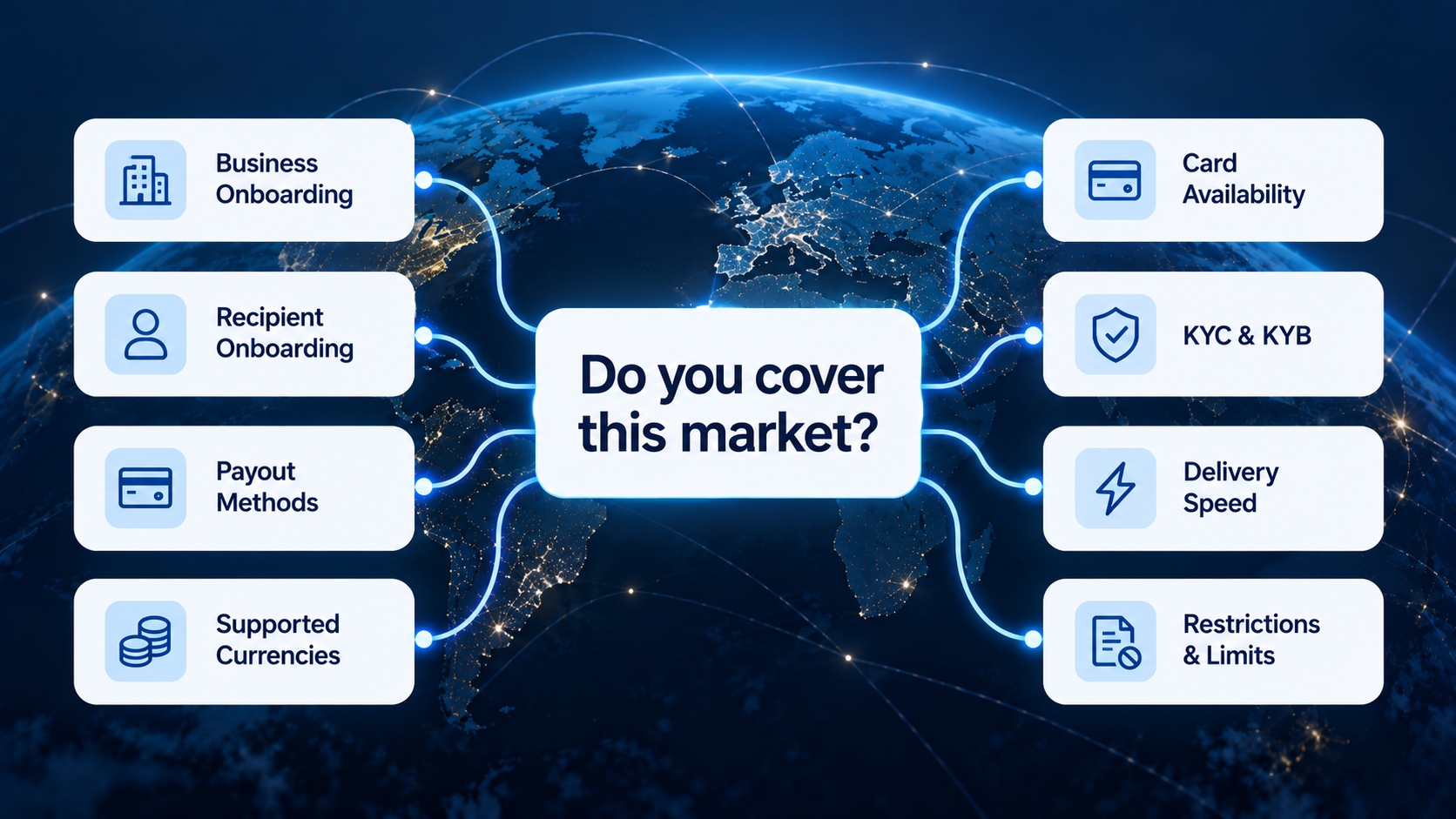
- Global reach with local payout methods: Multi-currency support and methods that make sense in each market (bank transfer, card, wallet, etc.).
- Embedded compliance workflows: Ability to support KYC/KYB, AML, and audit trails as your network expands.
- Clear visibility for distributors and admins: Payees need to see pending vs approved vs paid. Admins also need clean reconciliation.
Example: If you operate across North America, Europe, and Latin America, you may need to run weekly commissions, monthly rank bonuses, quarterly pools, and a short-term launch incentive at the same time. If your payout approach relies on spreadsheets and manual exports, you’ll spend more time handling exceptions than scaling the business.
This is why direct selling payout platforms are evaluated based on operational fit. A platform that appears adequate for basic payouts can become fragile as your plan and footprint expand.
Platform Overview: Runa.io
Runa.io is best understood as a payouts infrastructure and rewards platform. Its strengths lie in delivering value through prepaid and digital gift cards, reward catalogs, and payout-link experiences that make it easy for recipients to choose how to redeem.
For direct selling teams, that can be a real advantage in one specific lane: field incentives and promotions.
Where Runa.io fits well
- Short-term incentive programs (SPIFFs, contests, launch promotions)
- Recognition programs layered on top of commissions
- Simple reward delivery where payout logic is not multi-tiered
Where Runa.io tends to fall short for core MLM payouts
- Runa is not designed to be a multi-level commission payout system.
- It does not function as an orchestration layer for recurring, rules-heavy commissions.
- You typically need a separate system to calculate commissions and then push reward values into Runa.
Best-fit takeaway: In a Runa.io vs hyperwallet vs PayQuicker comparison, Runa is strongest when you treat it as an incentives layer, not the backbone for recurring, multi-tier commissions.
Platform Overview: Hyperwallet
Hyperwallet (part of PayPal) is an enterprise-grade mass payout platform used by marketplaces and large programs that need to send high volumes of payments across many regions. It is optimized for scenarios where a business calculates earnings and then pushes payouts to payees through supported methods.
For direct selling organizations, Hyperwallet’s appeal usually comes from three factors:
- Enterprise-scale payout operations
- Broad market coverage via PayPal’s ecosystem
- Established compliance posture for global payouts
Where Hyperwallet fits well
- Straightforward payout structures (single-tier, simple overrides, stable rules)
- Programs where earnings logic is calculated elsewhere and changes infrequently
- Situations where “reliable mass payouts” is the primary requirement
Where Hyperwallet can feel constrained in direct selling
Direct selling compensation plans are rarely static. When you add multi-tier overrides, rank ladders, pools, and frequent plan updates, the workload shifts into coordination and exception handling—especially if the payout tool is not designed around evolving commission events.
Hyperwallet can work in direct selling environments, but many teams end up stitching together separate tools:
- One system calculates commissions
- One system handles compliance workflows
- One system executes payouts
- Teams reconcile across systems after the fact
Best-fit takeaway: Hyperwallet is often a strong option when your direct selling model behaves like a marketplace payout program. If you expect frequent plan changes, deeper downline complexity, and rapid global expansion, you’ll want to carefully evaluate flexibility and operational overhead.
Platform Overview: PayQuicker
PayQuicker is a modern global payouts orchestration platform designed to support complex payout programs, including direct selling. Instead of functioning as a single-purpose payout rail, it serves as an orchestration layer that routes payouts across methods, markets, and payout experiences.
What that means in practice: you can connect payout instructions from your back office or commission engine into a platform designed to support multiple payout methods and global requirements, without rebuilding the payout stack every time your business changes.
Where PayQuicker fits well in direct selling
- Multi-rail payout delivery (bank transfer, card, wallet), aligned to regional preferences
- Configurable support for commissions, bonuses, pools, and promotional payout
- Global scale: PayQuicker is available in 210+ countries and territories
- Distributor-facing experiences built to improve visibility and reduce payout confusion
Implementation reality
PayQuicker is not a stand-alone commission calculator. You still need compensation logic (commission engine/back-office) to compute earnings. The value lies in what happens next: payout execution, payee experience, routing flexibility, and operational control, especially as you expand.
Best-fit takeaway: In the Runa.io vs Hyperwallet vs PayQuicker comparison, PayQuicker is the option most aligned with global, multi-tier, and frequently evolving direct-selling compensation environments.
Feature-by-Feature Comparison Across Direct Selling Needs

This is the section where a “platform comparison” is most helpful to real operators. Use these dimensions as a scorecard.
Payout speed and settlement control
- Runa.io: Great for fast reward delivery once a value amount is assigned. Less relevant for recurring commission cycles.
- Hyperwallet: Often optimized around scheduled/batch payout operations.
- PayQuicker: Built for configurable payout timing and multi-rail delivery, including faster access patterns where supported.
Under the hood, most programs plug into the same core rails: the ACH Network processed 33.6 billion payments worth $86.2 trillion in 2024, and Same Day ACH alone moved more than 1.2 billion payments totaling $3.2 trillion, with volume jumping 45.3% year over year.
Global coverage and payout options
- Runa.io: Strong global rewards catalog coverage for incentives; not a full commission payout backbone.
- Hyperwallet: Broad reach through PayPal ecosystem; methods vary by market.
- PayQuicker: Designed for global payout orchestration across flexible methods; strong fit when you need to align payout methods to local expectations.
Commission and bonus flexibility
- Runa.io: Requires external commission calculation; best when the “payout” is a reward.
- Hyperwallet: Accepts payout instructions but assumes more straightforward payout logic; complexity tends to reside elsewhere.
- PayQuicker: Designed to support complex payout event types and evolving payout flows without rebuilding the payout layer.
Integration and API depth
All three offer APIs, but the practical question is: what are you integrating to?
- If you need an incentives layer → Runa is strong
- If you need enterprise mass payouts → Hyperwallet is strong
- If you need payout orchestration that can evolve with your model → PayQuicker is built for that lane
Reporting, reconciliation, and controls
This is where many direct selling programs feel the most pain.
- Runa.io: Excellent reporting for rewards issuance and redemption; separate from commission reconciliation.
- Hyperwallet: Transaction reporting is strong for payouts; commission event linkage typically sits elsewhere.
- PayQuicker: Emphasizes orchestration controls and reporting across payout rails, supporting cleaner reconciliation as complexity grows.
Practical takeaway: If you pay weekly commissions plus quarterly bonuses across multiple regions, Runa typically sits beside your core system for incentives. Hyperwallet often requires careful coordination across tools, and PayQuicker is positioned to serve as the orchestration layer tying payout execution to complex payout events.
Compliance, Risk, and Regulatory Support

In direct selling, compliance is not just about “checking the box.” As you expand internationally, you need consistent onboarding workflows, audit trails, and controls that scale. You also need clarity about who owns which compliance steps—your back office, your payout platform, and any banking partners.
Key areas to evaluate:
- Support for KYC/KYB flows appropriate for your program
- AML/sanctions screening support (as required)
- Auditability: ability to trace payouts cleanly and export reporting
- Operational consistency across regions as you add markets
A practical rule: the more countries you operate in, the more expensive manual compliance patches become. Prioritize platforms that reduce exception-handling and improve audit readiness.
Distributor and Admin User Experience
Distributor experience
A distributor’s payout experience is a significant trust signal. When payees can clearly see their earnings status and payout timing, the business typically sees fewer disputes and a lighter support burden.
Evaluate whether the platform supports:
- Streamlined onboarding
- Clear visibility into payout status and method
- Easy updates to payout preferences
- Mobile-friendly access
Expectations have shifted: in one study of gig workers, 45% expected to be paid electronically and 34% expected to be paid the same day, which is very close to how modern distributors think about getting paid for their effort.
Admin and finance experience
Ops and finance teams need control and consistency:
- Centralized payout operations
- Role-based access and approvals
- Reduced manual intervention
- Reporting that supports reconciliation without a constant spreadsheet layer
Practical takeaway: If payees have self-service access and clear payout visibility, support teams spend less time on “Where’s my money?” tickets and more time supporting growth.
Why Payout Orchestration Matters for Direct Selling

Many payout systems work fine until you expand. The failure mode is predictable: single-purpose tools struggle when you simultaneously add markets, payout methods, and plan changes. Each new region and rail becomes another integration, another exception flow, another reconciliation step.
Payout orchestration solves a simple problem: it creates a configurable layer between your commission logic and underlying payout methods, so you can adapt without rebuilding everything.
What orchestration enables:
- Multiple payout methods without separate point-to-point builds
- Regional routing rules by market and program
- Flexibility when methods change or new markets launch
- Cleaner operational controls as payout complexity grows
This is the difference between “a tool that sends payouts” and “a payout layer that scales with your business.”
Which Platform Is Best for Different Direct Selling Models?
There is no single best answer. The right platform depends on your compensation model, footprint, and the pace of change you expect.
Choose Runa.io if you are incentives-heavy
- You want to run promotions, contests, and reward programs
- You already have a commissions + payout backbone
- Your priority is fast, flexible rewards delivery
Choose Hyperwallet if your model is closer to marketplace payouts
- Your payout structure is relatively simple and stable
- Your primary need is high-volume global disbursements
- You can manage commission complexity elsewhere
Choose PayQuicker if you operate (or are becoming) a global, multi-tier program
- You have layered commissions, bonuses, and frequent plan updates
- You want multi-rail flexibility across markets
- You need an orchestration approach that reduces rebuilds as you expand
- You need coverage across 210+ countries and territories in 80+ currencies
Conclusion: Choosing the Right Payout Platform for Direct Selling

The decision here is not “who can pay people.” It’s about supporting the realities of a direct selling organization as it scales: multi-tier commissions, global distributors, evolving plan logic, and the need for clear, trusted payout experiences.
In summary:
- Runa.io is a strong incentives and rewards layer
- Hyperwallet is a proven enterprise mass payout platform
- PayQuicker is a modern payouts orchestration platform designed for complex, global payout programs, including direct selling
Next step: use the scorecard approach above to define your requirements, then compare Direct Selling Payout Platforms.
FAQs
What is the best payout platform for direct selling organizations?
The best payout platform for direct selling supports multi-tier commissions, global payouts, and frequent plan changes without manual fixes. Incentive or contractor payout tools often break as networks scale. A payouts orchestration platform is usually the strongest fit for complex, global direct selling models.
How does Hyperwallet compare to PayQuicker for direct selling payouts?
Hyperwallet works well for large-scale payouts with simple, stable rules, but it becomes rigid for evolving MLM compensation plans. PayQuicker is built to handle multi-tier commissions, global expansion, and changing payout logic through orchestration. If your plan changes often or spans many countries, flexibility becomes the deciding factor.
Is Runa.io a good option for MLM commission payouts?
Runa.io is best for incentives, rewards, and short-term promotions—not core MLM commission payouts. It does not natively support multi-tier commission logic or recurring payout cycles. Most direct selling organizations use Runa as a complement to a primary payout platform, not a replacement.